Our Beyond Zero Vision
Beyond Zero is Toyota’s vision to reach beyond carbon neutrality with our products, services and operations, and find new ways to make a positive impact on our planet and society.
Beyond Zero is Toyota’s vision to reach beyond carbon neutrality with our products, services and operations, and find new ways to make a positive impact on our planet and society.
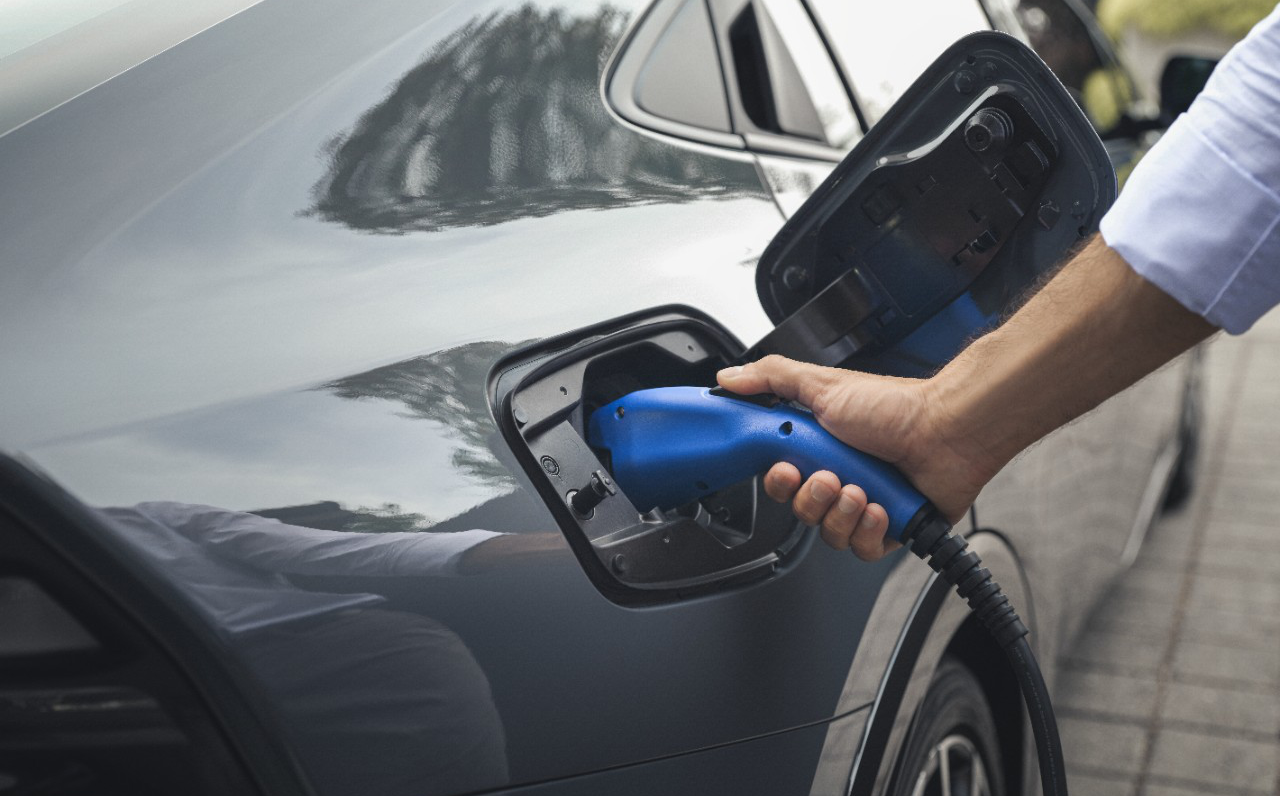
We’re in the business of making great cars and trucks. But we also work every day to apply and share our know-how in ways that benefit people, the community, and our planet in order to build a better tomorrow.
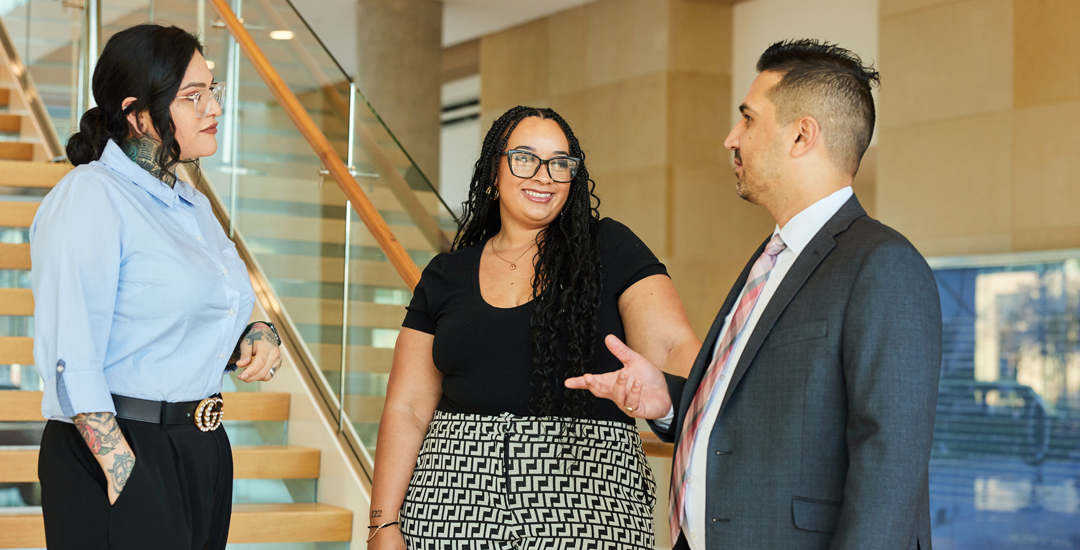
Explore stories about Toyota’s work with our communities to create limitless possibilities for all.

We create vehicles by listening and responding to you. Why? Because it’s our belief that our cars should do more than help you go places on the road, they should also help you go places in life.
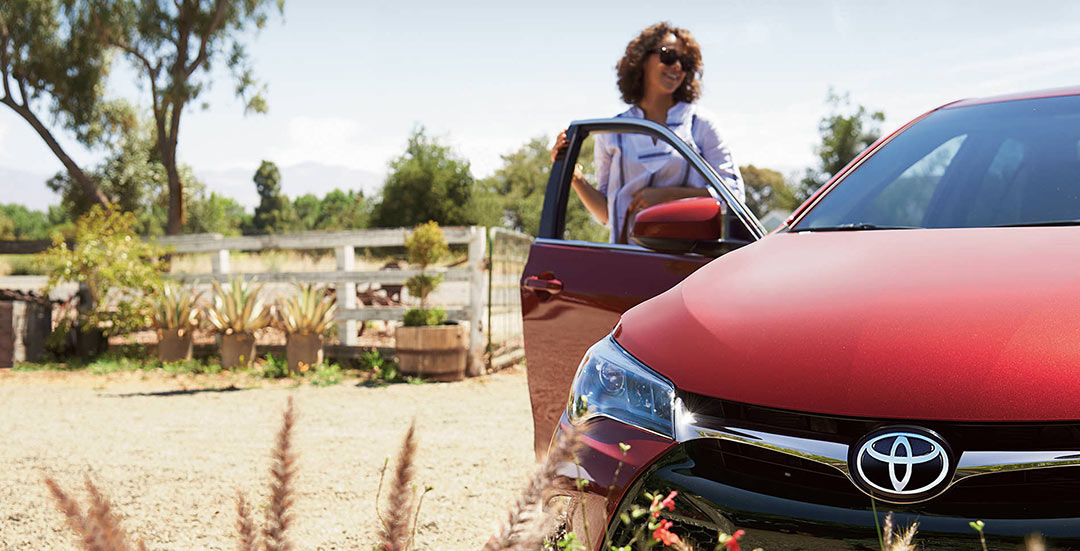
We make vehicles that respond to, and anticipate, your needs for the way you live today — with advances in sustainable mobility and advanced safety technologies. Find out more about how our operations are improving the world we live in today and long into tomorrow.
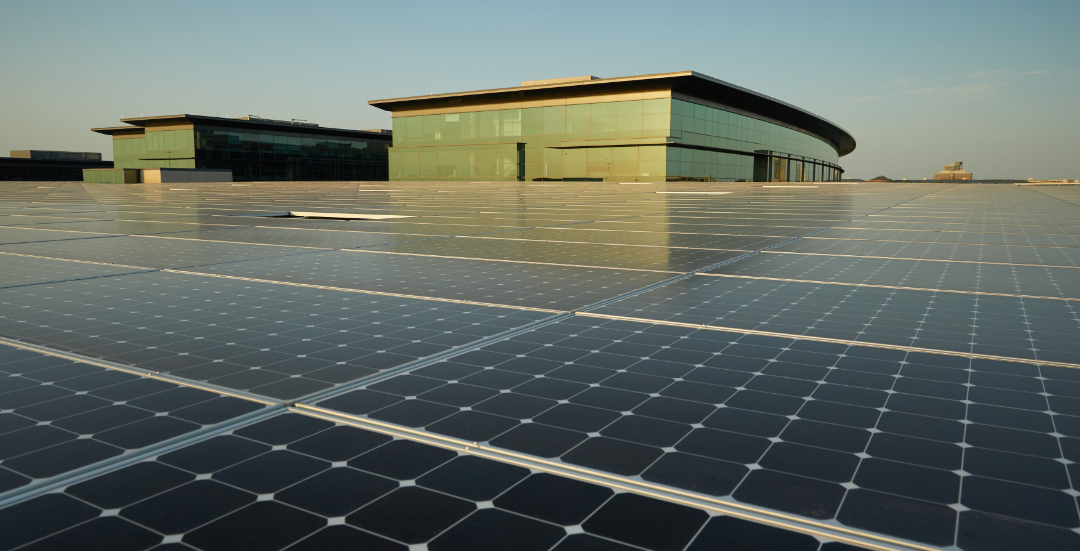
There is only one planet Earth. Which is why we developed a line of vehicles that make the best possible use of our natural resources, and why we ensure that our facilities and plants minimize waste and energy while maximizing efficiency.
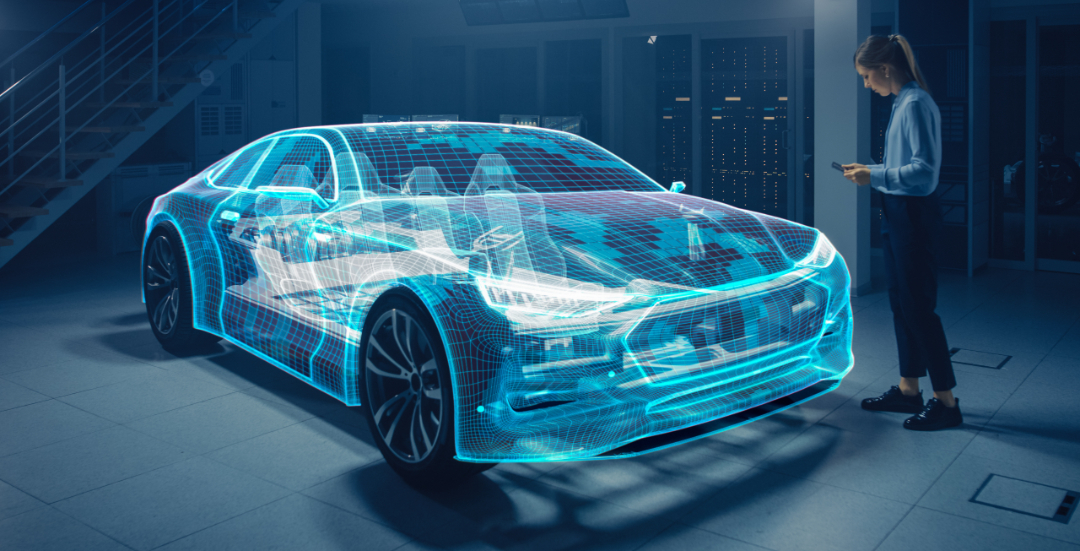
Safety may begin with the driver, but it certainly doesn’t end there. We're constantly innovating and researching ways to help prevent accidents from ever happening, as well as help protect those inside and outside of our vehicles in the unlikely event of an accident. Then we share our research and data with a variety of universities, government institutions and more to help make the roads safe for everyone.
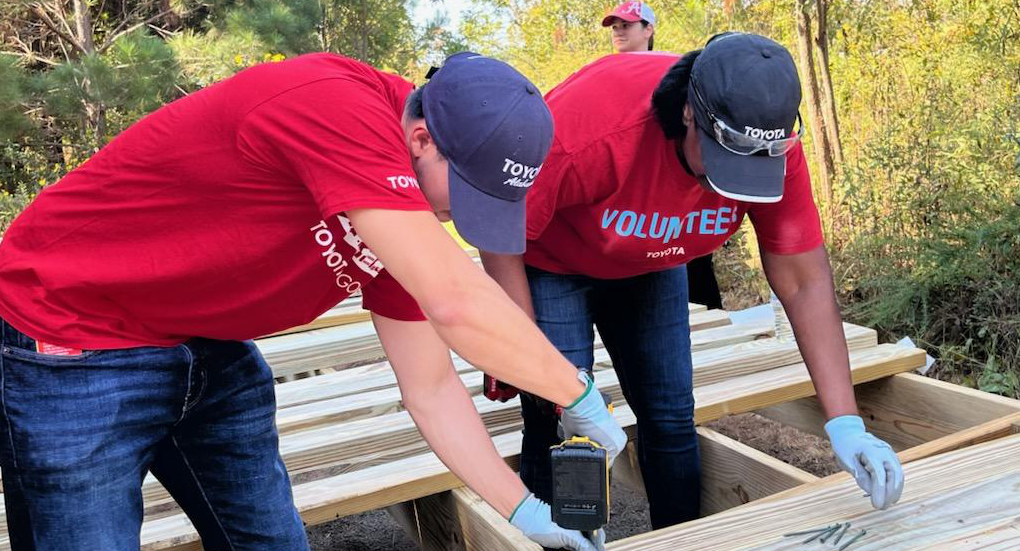
Our commitment to our customers extends to giving back to the communities where we live, work and play. We’ve contributed nearly $1.1 billion in the U.S. over the past 60 years to support safety, education, and environmental initiatives across the U.S. since 1991. And, we share our production know-how with nonprofits and community partners from food banks to hospitals — to help them serve more people, more effectively.


We create vehicles by listening and responding to you. Why? Because it’s our belief that our cars should do more than help you go places on the road, they should also help you go places in life.
We make vehicles that respond to, and anticipate, your needs for the way you live today — with advances in sustainable mobility and advanced safety technologies. Find out more about how our operations are improving the world we live in today and long into tomorrow.
There is only one planet Earth. Which is why we developed a line of vehicles that make the best possible use of our natural resources, and why we ensure that our facilities and plants minimize waste and energy while maximizing efficiency.
Safety may begin with the driver, but it certainly doesn’t end there. We're constantly innovating and researching ways to help prevent accidents from ever happening, as well as help protect those inside and outside of our vehicles in the unlikely event of an accident. Then we share our research and data with a variety of universities, government institutions and more to help make the roads safe for everyone.
Our commitment to our customers extends to giving back to the communities where we live, work and play. We’ve contributed nearly $1.1 billion in the U.S. over the past 60 years to support safety, education, and environmental initiatives across the U.S. since 1991. And, we share our production know-how with nonprofits and community partners from food banks to hospitals — to help them serve more people, more effectively.
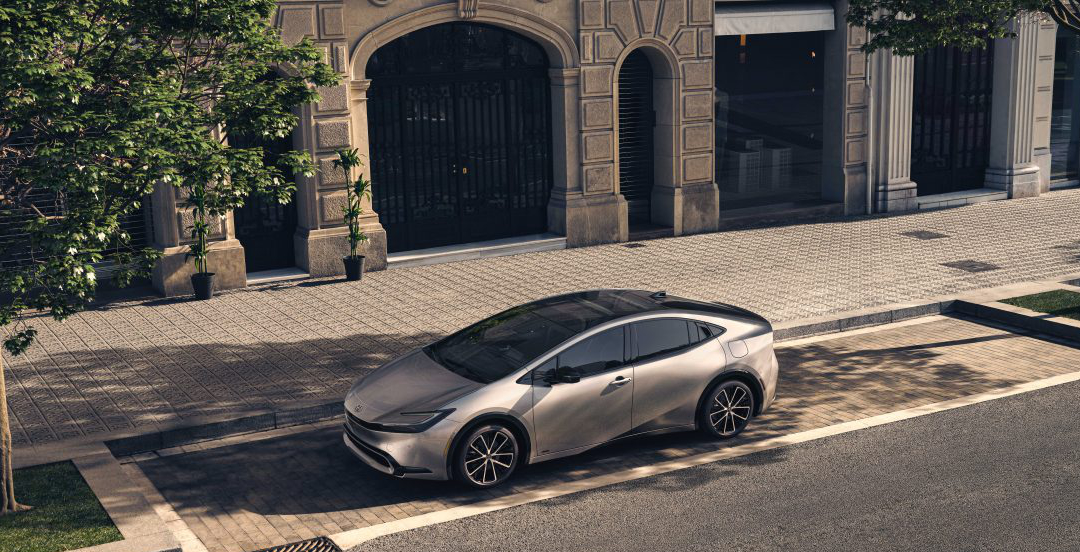
Toyota has been a part of our world for over 75 years. Let’s visit some milestones.

We build cars and trucks that help you and your family go places reliably and safely. And it's our people who power those vehicles. Meet the team leaders who live and work in the communities where you do.
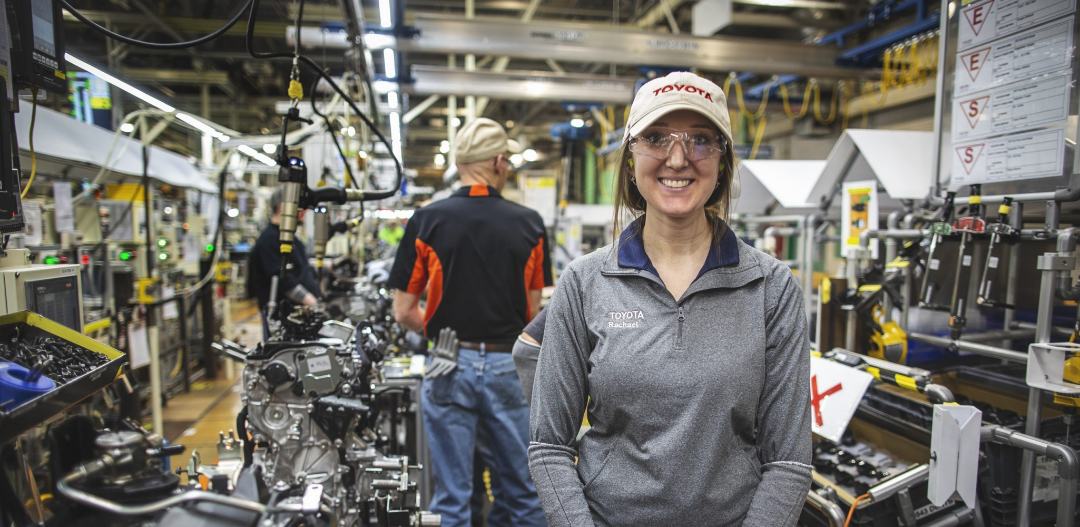
How do we create some of the most advanced, reliable and safe vehicles? It starts with our manufacturing principles and management philosophy. We’re always looking for ways to improve our operations, always challenging ourselves to innovate, always looking to collaborate, always improving each day in everything we do.