We are working to create a Nature Positive future by supporting the protection of water resources, helping to restore biodiversity, and partnering with communities to strengthen ecosystems.
WHAT IS “NATURE POSITIVE”?
Nature positive means halting and reversing biodiversity loss so that more healthy plants, animals, and ecosystems exist in the future than today. Biodiversity is important for the health of the planet. It’s also important to us because diversity of species supports the natural ecosystems that provide us with clean air, fresh water, food security, and medicines.
For Toyota, aiming to be nature positive means we strive to use water efficiently, manage wastewater before returning it to the environment, support and enhance natural habitat on our sites, and participate in activities to protect nature beyond our walls. We call this “operating in harmony with nature.”
HOW NATURE POSITIVE IS TIED TO WATER AND BIODIVERSITY CONSERVATION
Conserving water and protecting species and habitats helps to slow the rate of nature loss. Once nature loss is halted and reversed, then society will be in harmony with nature.
Halting and reversing biodiversity loss also goes hand in hand with stabilizing the climate system. When human activities produce greenhouse gases, around half of the emissions remain in the atmosphere, while the other half are absorbed by the land and ocean. These ecosystems – and the biodiversity they contain – are natural carbon sinks, providing so-called nature-based solutions to climate change. About one-third of the greenhouse gas emissions reductions needed in the next decade could be achieved by improving nature’s ability to absorb emissions. Toyota recognizes climate change as a global concern and is exploring nature-based solutions to climate change, including afforestation and reforestation projects.
TOYOTA’S APPROACH TO WATER AND BIODIVERSITY CONSERVATION
Toyota has two levers for water and biodiversity conservation:
Acting as stewards of water resources
Protecting biodiversity
For both levers, the company has set global five-year environmental action plan targets to keep moving closer to operating in harmony with nature.
Operating in harmony with nature is not something that Toyota can achieve on its own. But step by step, by engaging with team members and communities and finding ways to save water, we can create opportunities for growth and resilience. By working together across sectors and borders, we can turn the challenges of nature loss and water scarcity into a powerful catalyst for positive change – one that benefits people and the planet.
SMALL ACTIONS ADD UP TO CREATE POSITIVE IMPACT
Toyota remains committed to a nature positive future. We are working with business partners on projects to conserve water and protect habitats. Our engineers are looking for ways to use less water in manufacturing processes. And team members work with communities to protect species and enhance habitats. By working together — sharing solutions and investing in the future— we can amplify impact and accelerate progress toward a nature-positive world.
What We're Doing
A Natural Beauty: Toyota Tennessee Celebrates New State Park
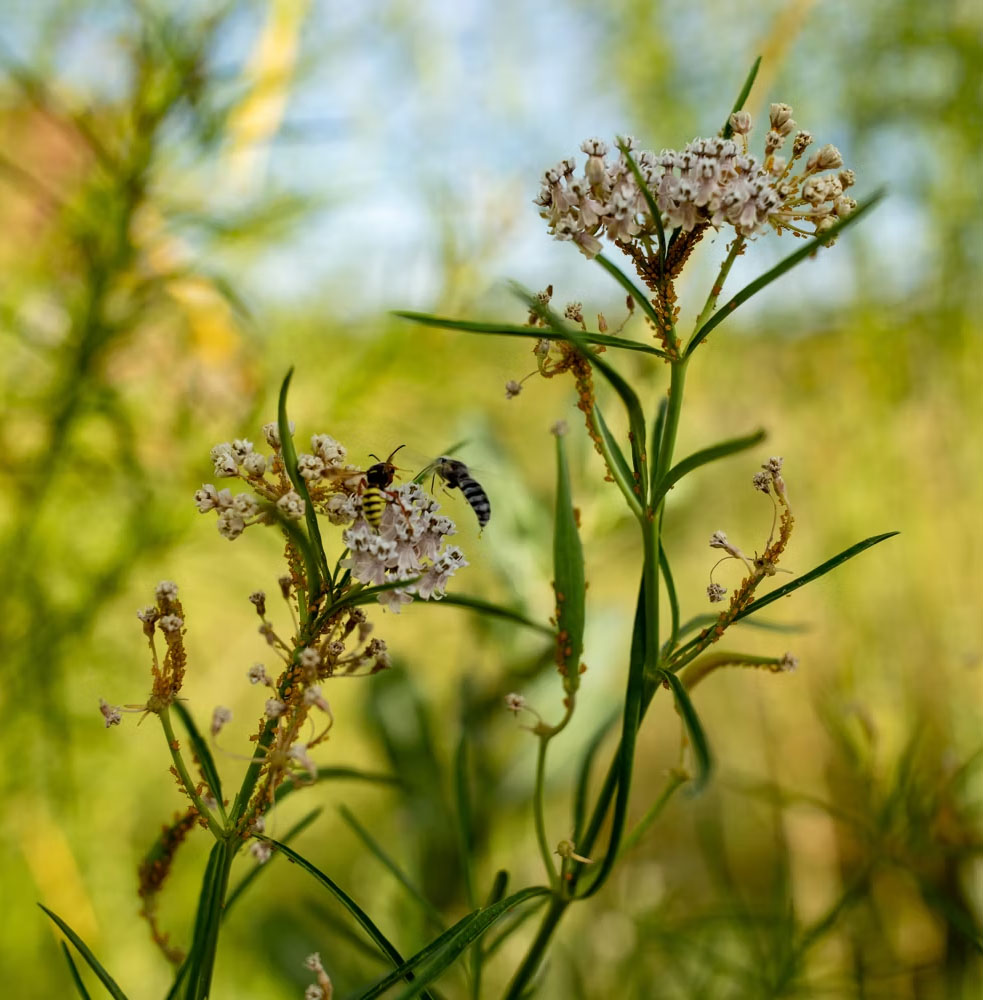
Toyota's Commitment to Enhancing Pollinator Habitat
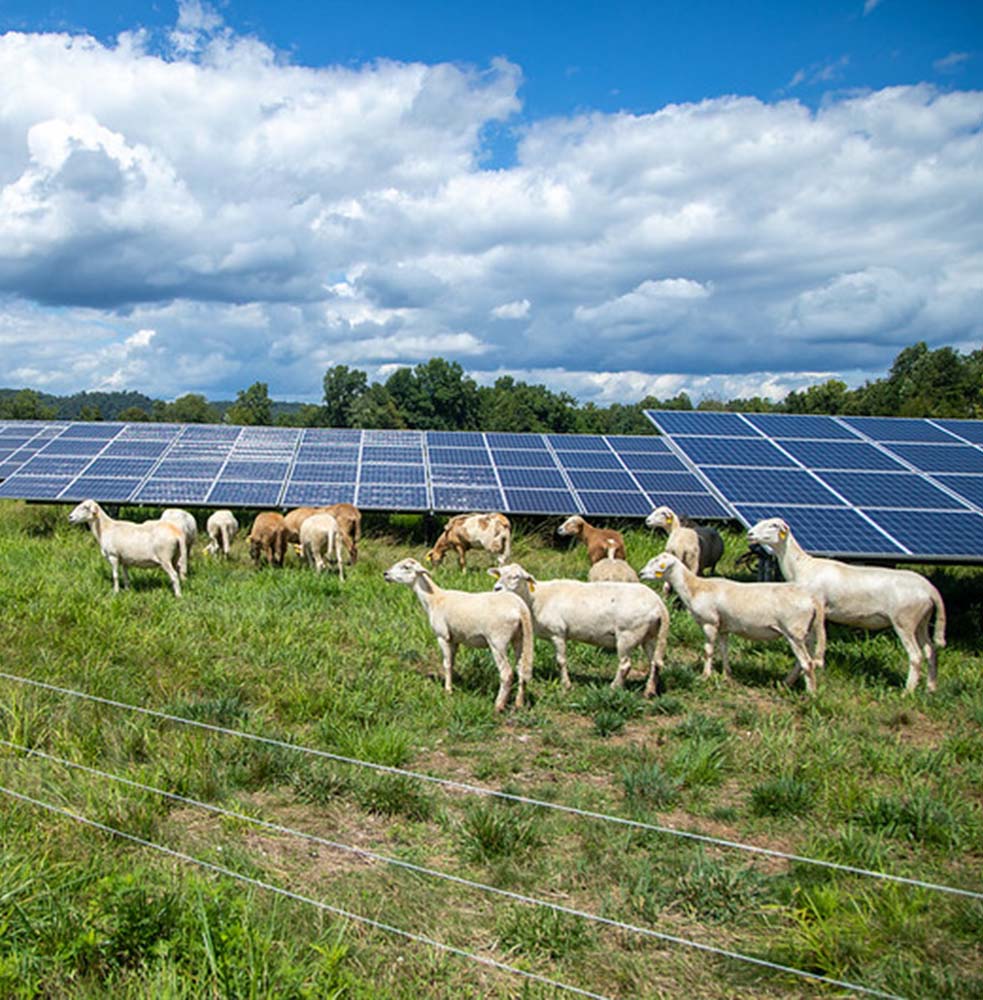
Why Solar Panels and Sheep are Perfect Together
Toyota’s Conversation with Dr. Jane Goodall
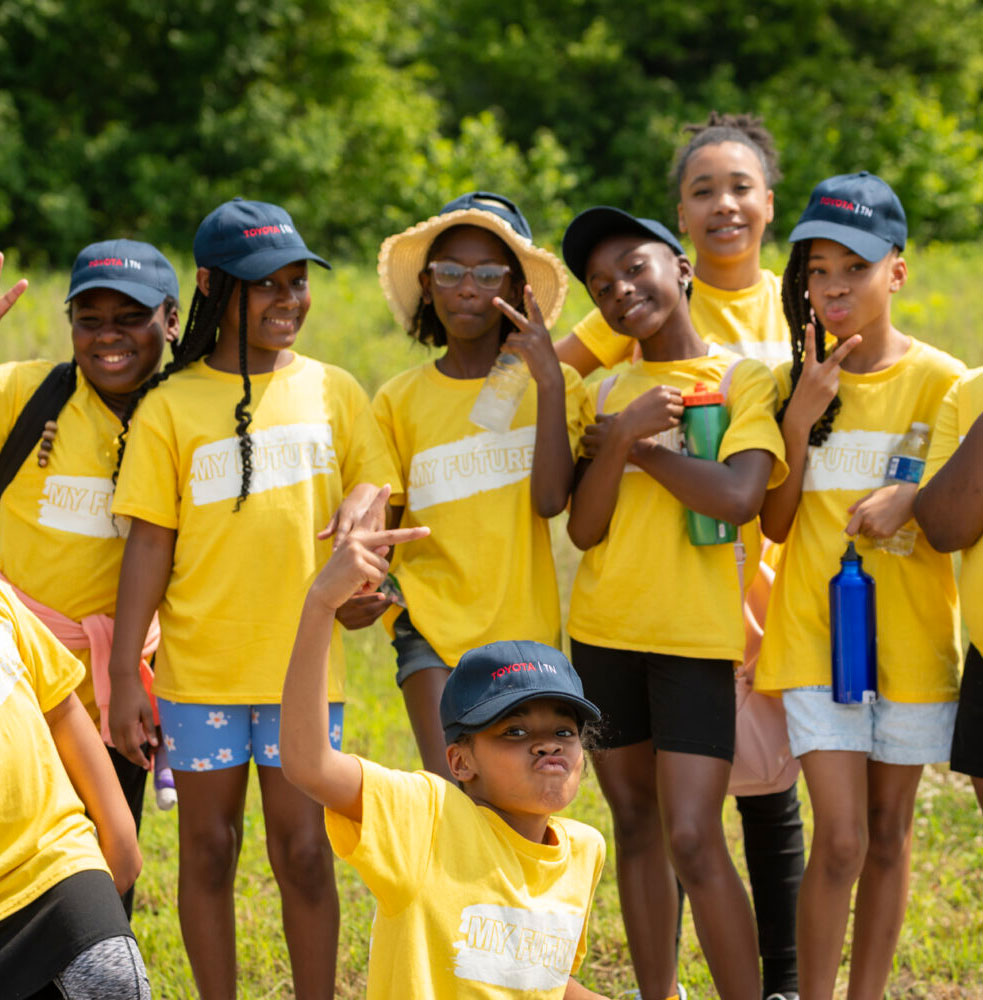
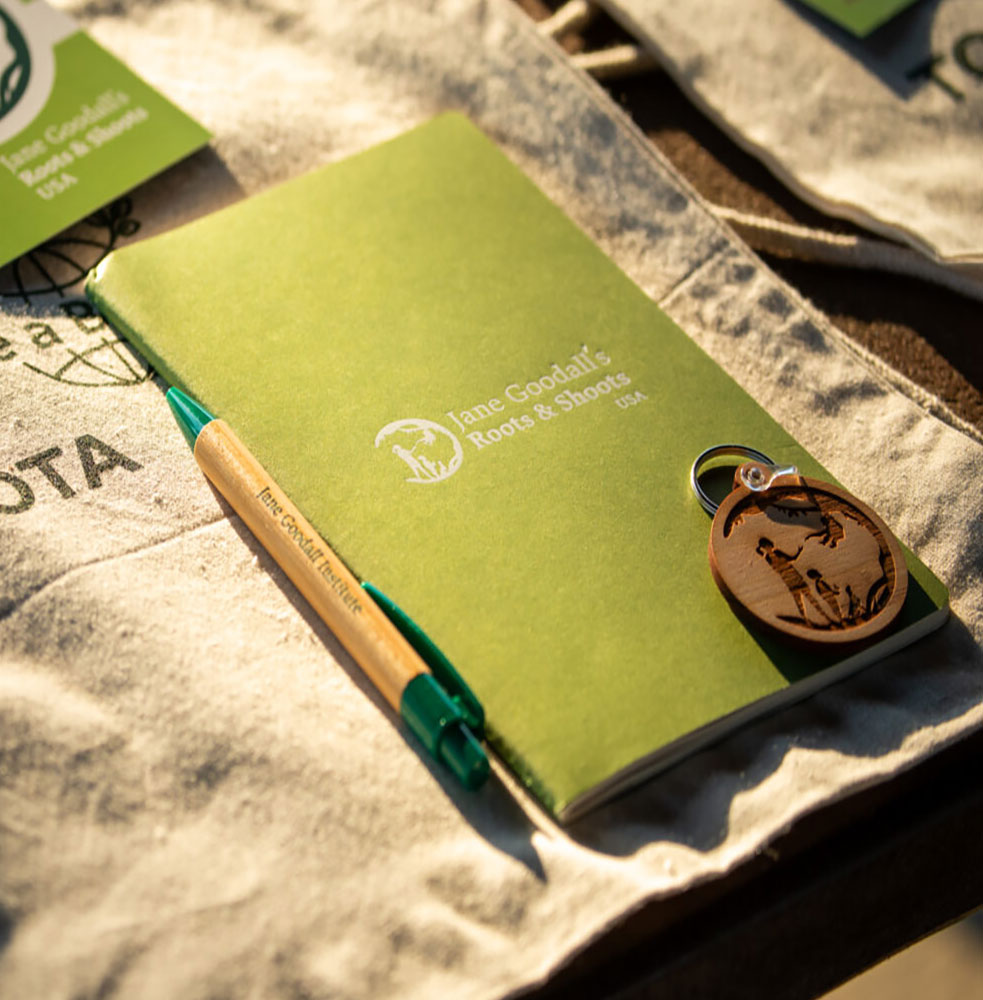
Toyota and Jane Goodall Institute Help Grow Environmental Stewardship with Roots & Shoots Events in U.S.
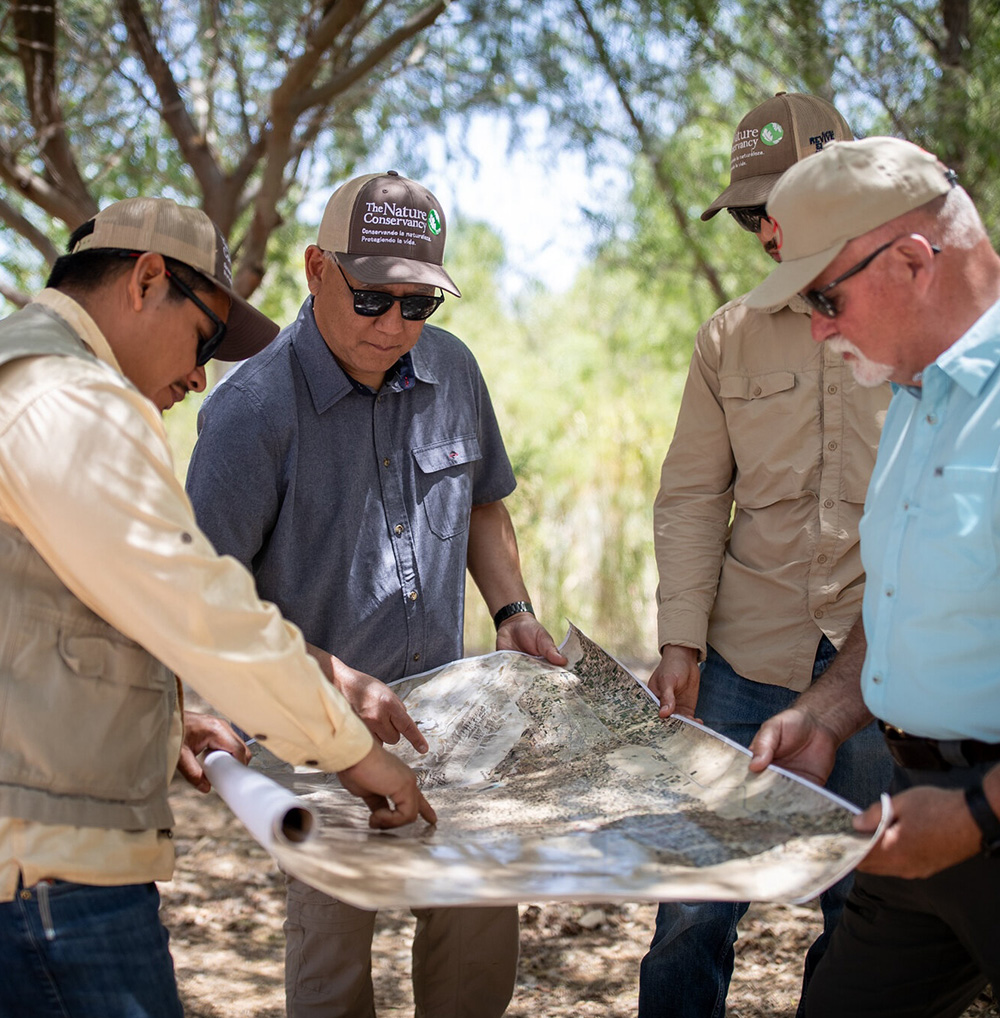
Toyota & The Nature Conservancy Partner on Water Conservation
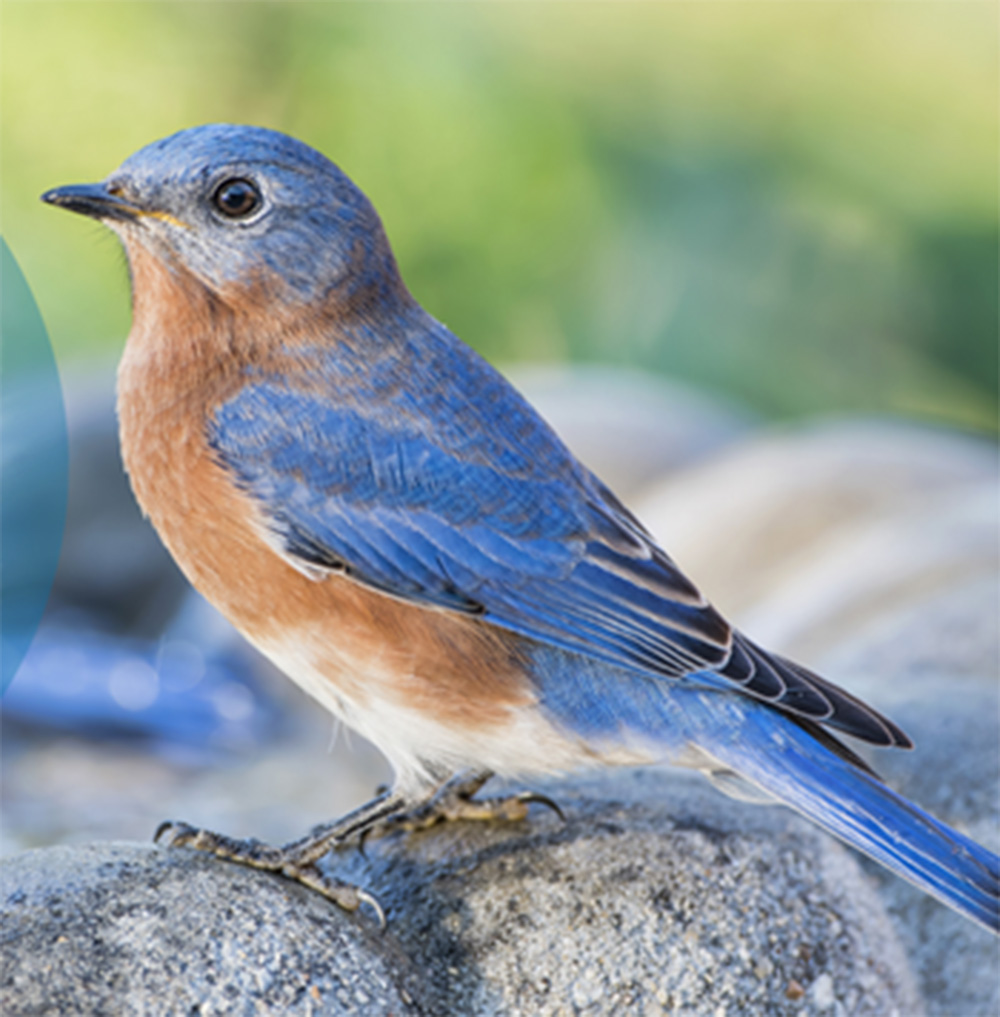
Indicator Species Project
Our biodiversity efforts support Goal #15 on Life on Land, one of the 17 United Nations Sustainable Development Goals.
Small actions can lead to big impacts. Take a look at a few things you can do to help Make a Better Planet...
Plant a pollinator garden:
Pollinators are all around us, so we all have opportunities to help. From a single pot of flowers on a balcony to a sprawling acreage of land, creating a pollinator garden of any size can help these vital creatures thrive.
Plant a tree in your yard:
Plant a tree in your yard, or donate to a reforestation project. Every tree is a breath of fresh air, literally.
Volunteer:
Check with your local park, refuge or other wildlife area and help remove invasive troublemakers and spread the word.
Don’t stop now, head over to the Toyota Choose Your Change page and see even more smart things you can do to make a positive environmental impact at work, home and play.