We are committed to doing our part to help the world transition to a low carbon economy. We are pursuing a Carbon Neutral future by reducing emissions from our vehicles and operations and working with partners across our value chain to do the same.
WHAT DOES IT MEAN TO BE "CARBON NEUTRAL"
To be carbon neutral, a company first measures all the greenhouse gas (GHG) emissions it produces—whether from energy use, transportation, manufacturing, or other activities. The next step is to reduce those emissions as much as possible through innovation, energy efficiency, renewable energy, and sustainable practices. Any remaining emissions that can't be eliminated are then offset by supporting projects that remove or prevent emissions elsewhere, such as reforestation or carbon capture technologies.
For Toyota, becoming carbon neutral means we aim to reduce GHG emissions from our own operations (e.g., from burning natural gas and purchasing electricity) to the greatest extent possible, then use offsets, if necessary, to get us to net zero GHG emissions. We also include significant upstream and downstream activities in our carbon neutrality commitment so that by 2050, we aspire to be carbon neutral across the value chain.
HOW CARBON NEUTRALITY IS TIED TO CLIMATE CHANGE
Carbon neutrality is tied to climate change because greenhouse gases like carbon dioxide (CO₂) trap heat in the atmosphere, which drives global warming. Global warming leads to shifts in temperatures and weather patterns, which is known as climate change.
Achieving carbon neutrality would help stabilize the climate by ensuring that no additional net emissions are added to the atmosphere. On a global scale, reaching net-zero emissions by mid-century is considered essential to limiting warming to 1.5°C above pre-industrial levels — a threshold scientists say is critical to avoiding the most dangerous impacts of climate change.
Carbon neutrality is not just a technical goal — it’s a call to action. It encourages innovation, accountability, and collaboration across sectors. From companies redesigning supply chains to cities investing in cleaner infrastructure, the pursuit of carbon neutrality is transforming businesses and creating new opportunities for sustainable growth. By aiming for carbon neutrality, we’re not just reducing emissions — we’re building a more resilient, equitable, and climate-safe future.
TOYOTA’S APPROACH TO REDUCING GHG EMISSIONS
Toyota has three levers for working toward carbon neutrality globally:
Reducing GHG emissions from vehicles
Reducing GHG emissions from our own operations
Reducing GHG emissions from our value chain
For each of these levers, we set five-year environmental action plan targets to keep us on a path towards carbon neutrality across the vehicle life cycle.
This is a long-term journey. No company can reduce emissions to zero immediately, and it will take time to make the technological investments and change the habits required for climate neutrality. But step by step, by making smarter energy choices and continuing to innovate, we can create opportunities for growth and resilience. By working together across sectors and borders, we can turn the challenge of climate change into a powerful catalyst for positive change – one that benefits people and the planet.
SMALL ACTIONS ADD UP TO CREATE POSITIVE IMPACT
Toyota remains committed to decarbonization. We are working with business partners on projects to reduce emissions. Our engineers and designers are finding ways to improve vehicle fuel efficiency and reduce emissions. By working together — sharing solutions and investing in the future— we can amplify positive impact and accelerate progress toward decarbonization.
Small Actions Add Up to Create Positive Impact
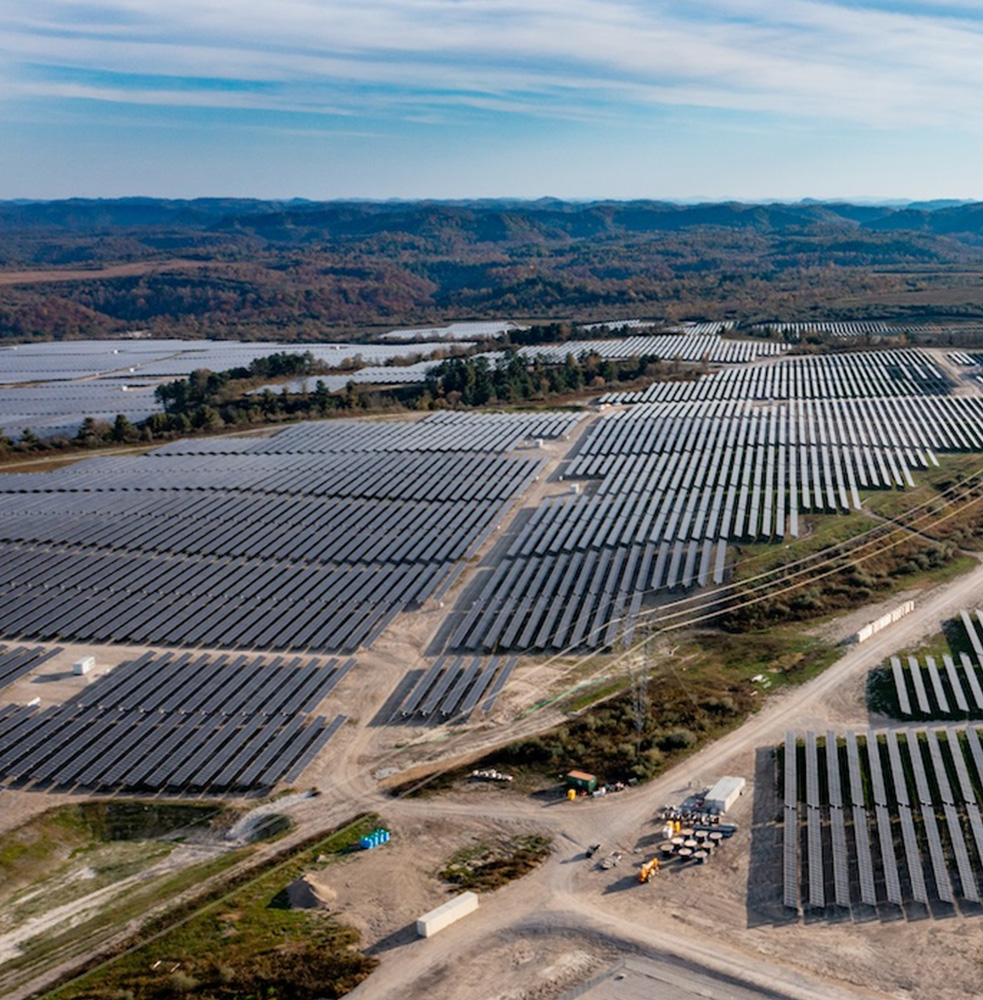
On Our Way to 100% Renewable Electricity
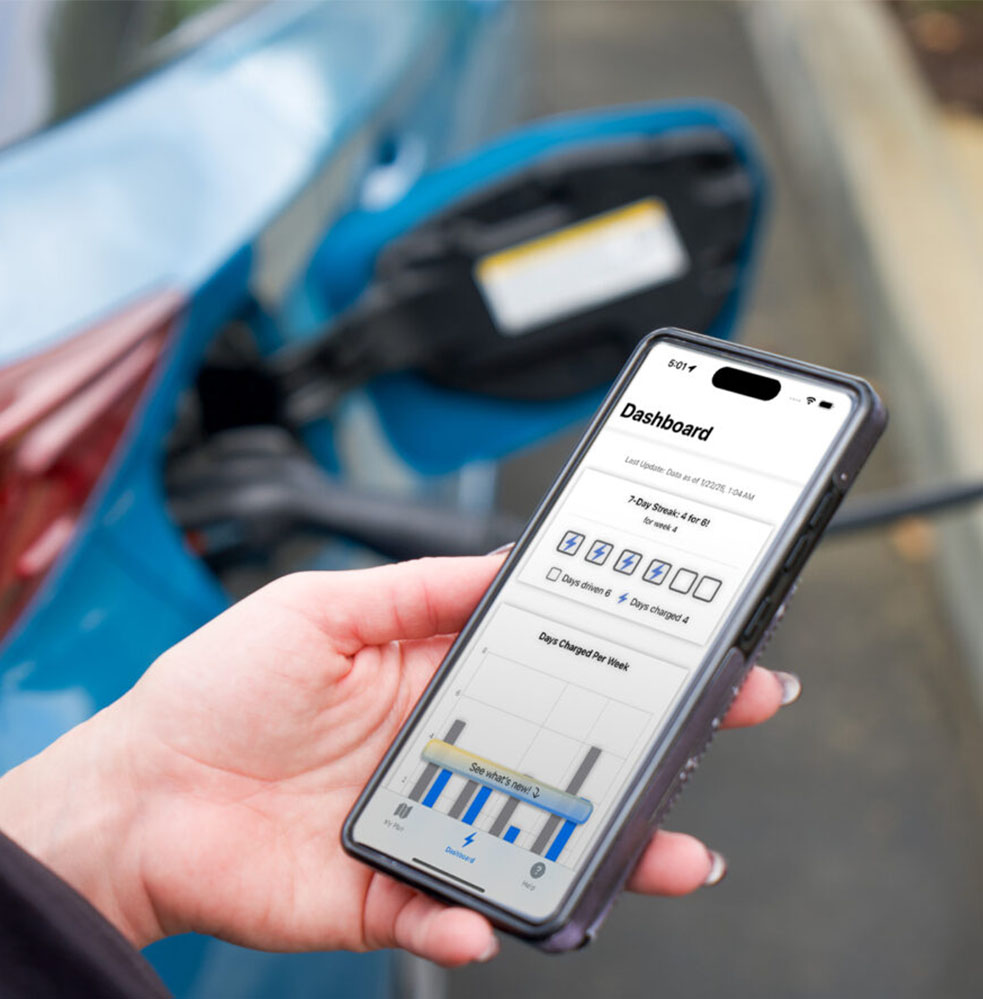
Toyota Research Institute: Behavioral Science Can Unlock More Carbon Reductions from Electric Vehicles
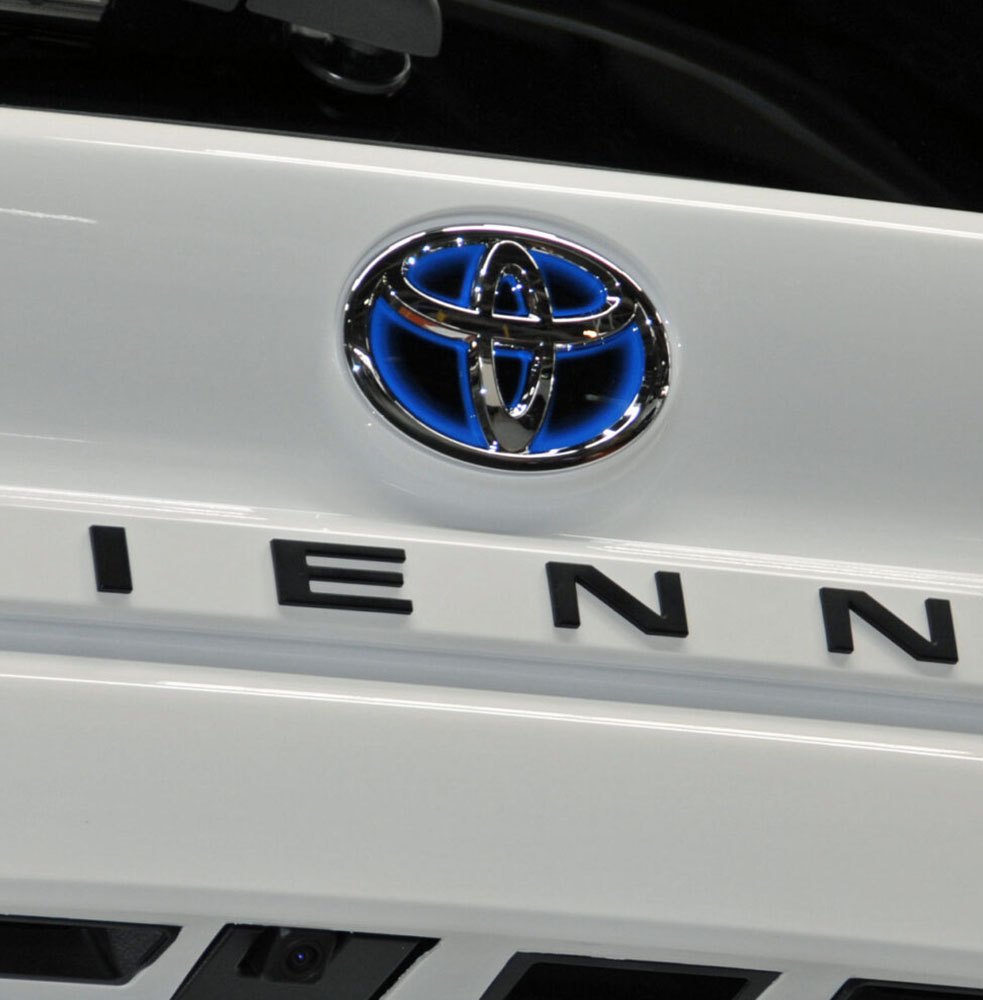
Electrified Trailblazer: The Toyota Prius Celebrates 25 Years in the U.S.
Toyota Indiana Celebrates 1-Millionth Hybrid
Toyota Port Facility Completes World’s First “Tri-gen” System
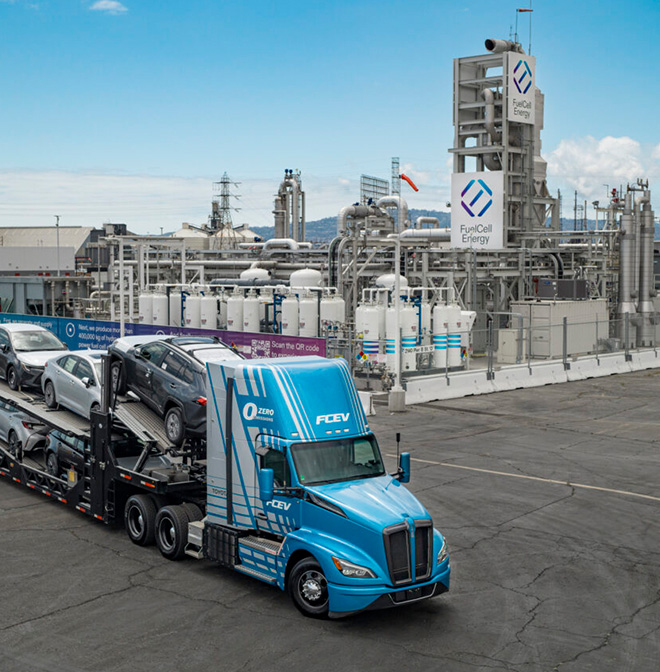
Toyota Launches New, Commercially Focused Hydrogen Business Website
Our carbon reduction efforts support Goal #7 on Affordable and Clean Energy and Goal #13 on Climate Action, two of the 17 United Nations Sustainable Development Goals.
Reducing your Carbon Footprint is critical in combating climate change, and often saves money too. Take a look at a few things you can do to help Make a Better Planet…
Drive a fuel-efficient vehicle:
Looking for new wheels? Hybrids and other electrified vehicles save fuel and can have way lower emissions than traditional internal combustion engine vehicles.
Adjust your thermostat:
Lowering it by 3°F in the winter and raising it by 3°F in the summer can cut 1,050 pounds of carbon emissions per year.
Upgrade your light bulbs:
Make the switch to LED bulbs, which not only save energy but also money in the long run. You’ll be amazed at the positive impact on your wallet and the environment.
Don’t stop now, head over to the Toyota Choose Your Change page and see even more smart things you can do to make a positive environmental impact at work, home and play.