
2027 Land Cruiser
pick up where you left off
latest build updated 1/6/23
[model name] [grade name]
MSRP*
$xx,xxx
Est. MPG* / MPGe*
xx/xx
Our Heritage. Your Adventure.
Built with the spirit of the original; engineered with the purpose of today.


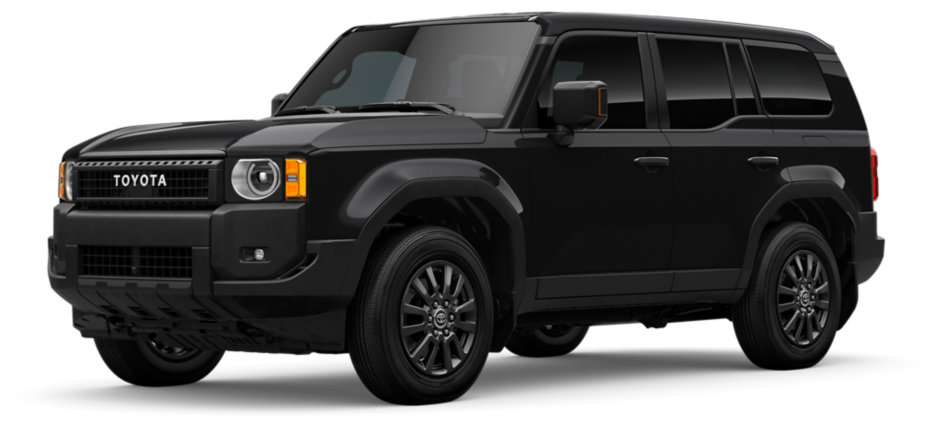
Trail-tested for bold expeditions.
Built to conquer.
Conquer every mile in comfort.
More grit. More glory.
Full-Time 4WD
Land Cruiser’s full-time 4-wheel-drive system provides power continuously to the front and rear axles to improve traction and stability on various surfaces. An electronically controlled 2-speed transfer case allows you to select the right amount of torque for your driving conditions.
Drive Modes
Three distinct drive modes let you instantly tailor your drive with the touch of a button. Sport Mode indulges your spirited side with the feeling of sharper acceleration, while Eco Mode adjusts throttle input to help maximize your efficiency. Normal Mode blends fuel economy with performance.
i-FORCE MAX Hybrid Powertrain
Land Cruiser's powertrain combines hybrid tech with an impressive turbo 4-cylinder hybrid engine to generate an electrifying 326 net combined horsepower with 465 lb.-ft. of torque.
Towing Capacity
Bring more along for the ride. With a tremendous towing capacity of 6000 lbs., you’ll be able to tackle the trails with whatever you need to take your trek to the next level.
Rear and Center Locking Differentials
More off-road; more control. Engage Land Cruiser’s electronically locking differentials with the press of a button to distribute available torque for better traction while maneuvering through challenging terrain.
Multi-Terrain Select With Crawl Control
Conquer with confidence. Land Cruiser’s available Multi-Terrain Select (MTS) helps you navigate varying landscapes with improved traction at different speeds. Crawl Control (CRAWL) helps take on difficult terrain by automatically modulating the throttle and brakes, so you can focus on steering.
Stabilizer Disconnect Mechanism
While Land Cruiser’s frame provides stability to support your everyday drives, sometimes off-road excursions require something different. Activate Land Cruiser’s available Stabilizer Disconnect Mechanism (SDM) for greater wheel articulation as you navigate uneven trails and rocky terrain.
Power Inverter
Explore the wilderness without limitations. Land Cruiser’s 2400W power inverter integrates the ability to charge and operate your compatible essentials wherever your off-road journey takes you. From laptops to coffee makers, this high-capacity outlet helps you power up your adventures.
Seamless adventures start here.
Part of unstoppable adventures is experiencing them to the fullest. Equipped with versatile features, Land Cruiser helps make sure you can always be on the move.
Customized by You
Add a personal touch with lifestyle products from Toyota and its trusted suppliers to enhance your Land Cruiser.
Technology
Audio Multimedia
Toyota Safety Sense™ 3.0